
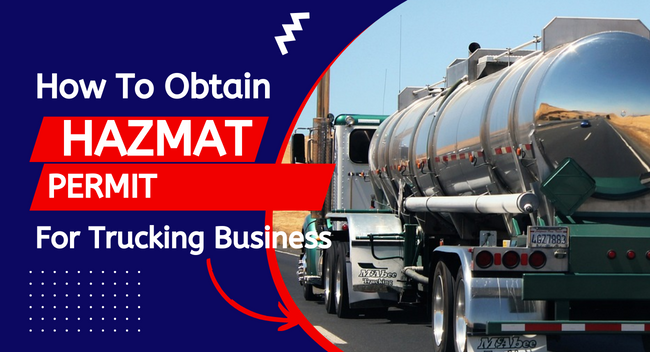
Everybody talks about the HAZMAT safety permit. Why is it so important? It is important because you will not be able to work in the hazardous material transport segment if you have not obtained this permit. You definitely are going to need your USDOT number but this permit is what allows you to transport hazardous materials in various quantities within and across state borders.
Yes. Regardless of whether you are an intrastate or interstate motor carrier company, you are going to need this permit. The safety permit has only one aim which is to improve the safety of your drivers and commercial automobiles when they are on public highways.
It also helps reduce the number of transport-related accidents, specifically involving transporting and handling hazardous materials. Because these materials have the potential harm to the public and the environment, there are special requirements that you need to fulfill. Let’s understand some concepts, definitions, and aspects of HAZMAT permit filing right away.
1. Defining Hazardous Materials Before You Start Operating
The secretary of transportation defines a hazardous material as any substance or commodity that poses an unreasonable risk to human health and safety, as well as potential harm to public property during commerce. Such materials receive a hazardous designation. Section 5103 of the Federal Hazardous Materials Transportation Law (49 USC 5103) provides additional information.
2. Let’s Have A Look At Some Of The Examples Of Materials That Classify As Hazardous Materials
- Class 7 material is radioactive by nature. Transporting a highway route-controlled quantity of the same will necessitate you obtaining a safety permit.
- If you are transporting more than 25 kg or 55 pounds of explosive materials or articles, you will have to apply for this permit. These are also defined as Division 1.5 materials that require placarding.
- If your carrier or automobile transports more than 1 l per package of any material or substance that is poisonous by inhalation and effectively meets the criteria for hazard Zone A, then you must obtain this safety permit.
- If a material that is poisonous by inhalation is being transported in bulk packaging and if it meets the criteria for hazard Zone B, it means you have to apply for this permit without fail.
- The material poisonous by inhalation is defined in §171.8 under the same title and meets the criteria for hazard Zone C or hazard Zone D calls for a safety permit. If it is being transported in packaging more than 3500 gallons, you must apply for a HAZMAT safety permit.
- If you intend to transport a shipment of methane whether it is compressed or refrigerated or any other compressed or refrigerated liquefied gas that has a methane content of 85% and is more than 3500 gallons, you must apply for this permit.
3. The MCS-150 B Form – What All You Should Know About The Combined Motor Carrier Identification Report And Hazardous Materials Safety Permit Application
The federal motor carrier safety administration would require you to define the type of business operations that you perform before you fill out the MCS-150B Form. You have two filing options to be precise:
You Can Update It Online
Your third party administrator is going to encourage you to print all the related instructions before you start filling out your online forms
You can register online or let your third party administrator do the needful on your behalf
You Can Mail It To The Authority
- Take out the printouts of the required forms
- Complete your applications
- Make a copy of all of them for your own reference
- Mail the applications to the address given below
Federal Motor Carrier Safety Administration
Office Of Registration And Safety Information
Attn: MCS-150B update
1200 New Jersey Avenue SE
Room W65-206
Washington, DC 20590
Note: If you are an offerer of transportation or a transporter of certain quantities of these hazardous materials which may also include hazardous wastes, you are required to obtain this hazmat safety permit. The US department of transportation requires due to file an annual registration statement along with a fee. Your third-party administrator can help you with your paperwork relating to your HAZMAT certification.
4. Hazardous Materials Regulations And Your Choice Of Business
Individuals working in rail, water, or air transport, who facilitate or enable the transportation of hazardous materials and hazardous waste materials, are subject to the hazardous materials regulations. The US Coast Guard will have jurisdiction over shipments of hazardous materials transported by water without containers or labels, and received and handled by the vessel carrier without any marking or counting. The vessel considers such shipments as containerized.
5. Understanding Violation Fees For HAZMAT Regulations
The maximum civil penalty that you may have to pay if you end up violating any hazardous materials transportation law or any safety permit-related order can range anywhere between $55,000 and $75,000. The increased civil penalty ranges between $110,000 and $175,000. This happens if the violation results in any serious injuries, illness, or death of an individual. You may have to pay a similar amount if there has been significant harm to any public property as well.
And To Wrap It Up For You
Safety permits related to hazardous materials transport and related operations are very critical for your business. As a carrier involved in transporting such commodities and materials, you must obtain all the necessary permits and licenses before operating in this industry and segment. If you fail to do that and initiate your operations, you will be subject to these fines and penalties and continue to conduct business activities, the authorities may decide to put your company out of business.
It will become extremely difficult for you to reinstate its operational status after that. Choosing a highly skilled and professional third-party administrator for your DOT compliance needs can prevent damage to your business’s reputation.




0 Comments