Blogs

April 23, 2024

Mastering Compliance Communication in Trucking Industry

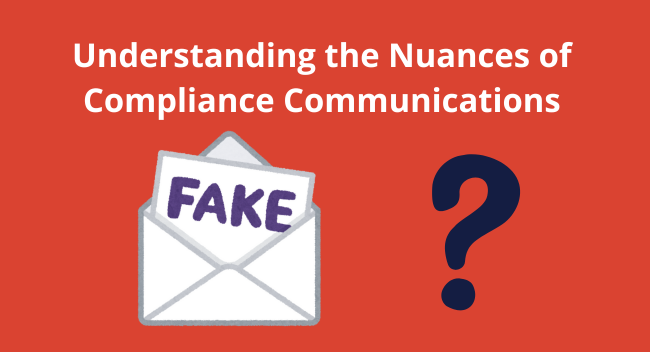
In the realm of trucking compliance, understanding the line between necessary notifications and overwhelming spam can be difficult. The concerns raised about the aggressive marketing tactics by DOT Compliance Group have not gone unnoticed, and it’s crucial we address these transparently.

Acknowledging Past Communications

In December 2020, a report highlighted a potential phishing scam alert issued by New York officials. This alert centered around a letter from DOT Compliance Group that some perceived as part of the scam, raising significant concerns about the tone and approach of our communications. It’s important to clarify that this letter urging trucking entities to complete their Biennial Update was not only legitimate but also rooted in factual data extracted monthly from the FMCSA’s database.

The Evolution of Our Communication

Our initial approach was assertive and crafted to elicit a strong compliance response. However, we recognize this may have contributed to misunderstandings about our intentions. Therefore, we’ve evolved our communication style from assertive to consultative, aiming for clarity and connection rather than coercion. This shift reflects our commitment to fostering long-lasting relationships with the trucking community, particularly small to medium businesses that form the backbone of this industry.

Beyond Compliance: Offering Value and Building Trust

Addressing another elephant in the room: the misconception that charging for compliance-related services equates to a scam. It’s true—while individuals can file their paperwork for free, the expertise and time-saving benefits we offer, especially to those with limited resources, are valuable. This is similar to paying for professional services in any other aspect of life, whether car washing, tax filing, or dining out.

Our mission extends beyond compliance; we aim to ensure small trucking businesses can operate without compliance worries, allowing them to focus on what they do best. This commitment is reflected in our high customer satisfaction ratings and our A+ rating with the Better Business Bureau®.

Leveraging Technology for Enhanced Service

In our continuous effort to improve service efficiency, we’ve introduced an AI-driven chatbot that handles many inquiries, saving countless hours. However, understanding the importance of the human touch, we always offer personal connections through our team, available via direct contact with our National Sales Director or at various trucking shows.

Invitation to Connect and Engage

For those in the trucking industry who are skeptical or curious about our services, we invite you to engage with us directly. Meet us at upcoming truck shows, or reach out via email or phone. We’re also open to performing complimentary compliance reviews to demonstrate firsthand the integrity and value of our services.

Moving Forward with Transparency and Trust

As we refine our processes and foster positive industry relationships, we remain dedicated to providing transparent, valuable, and reliable services to the trucking community. Your trust is paramount, and we are committed to earning and maintaining it through every interaction.

For more detailed insights and to connect with us, please feel free to contact us as we continue to move forward, ensuring compliance and peace of mind for all our partners on the road.

Thank you for your attention and commitment to safe, efficient trucking operations. Drive safely and stay compliant.

Frequently Asked Questions

Q: Did you receive a letter about compliance and have questions?

A: At the start of each month, we compile a list from a public database of drivers due for compliance and those who are overdue. We send letters as a friendly reminder to ensure you know about upcoming compliance deadlines. Our goal is to assist, not deceive, emphasizing our commitment to supporting the trucking community.

FAQ

Who Needs a USDOT Number?

Businesses that run commercial vehicles weighing more than 10,000 pounds—whether carrying passengers or moving freight—are required to register with the FMCSA and obtain a USDOT number. This number serves as a unique identifier that allows federal regulators to track and review a company’s safety records.

How Much Does a USDOT Number Cost?

Acquiring a USDOT number is free when processing with the FMCSA. For a hassle-free process with one-on-one assistance, visit: https://dotcompliancegroup.com/usdot-number-application-form/ or call 972-232-2218.

What Documents and Information Are Required?

To obtain a USDOT number, you will need to provide your business and operational details and identification. This includes legal business name, physical and mailing address, contact information, EIN number and/or SSN, type of business, cargo/cargo type, and operating authority.

How Long Does It Take to Get a USDOT Number?

Applying for a DOT Number can be done as fast as a few minutes. To obtain your DOT number today, visit: https://dotcompliancegroup.com/usdot-number-application-form/ or call 972-232-2218.

What if I renewed my UCR with DOT Compliance Group last year?

If you renewed with us last year, please check your Customer portal. If auto-renewal is still active, your UCR will automatically renew. If you have turned off auto-renewal, you’ll need to submit your renewal here on this page.

If I Pre-Register for 2026 UCR, when will I be charged the total amount?

The total amount will be charged on October 1, 2026 for the 2026 year.

I am an Ag Exempt Farmer. Am I exempt from registering for UCR?

No, if you cross over state lines you are required to register for UCR. Your Ag exemption does not apply to UCR.

If I am an Amazon or Postal Service Contractor do I have to register for UCR?

Yes. Even though you do not cross state lines, your parcels do. That makes you an Interstate carrier and you would be required to register at the 0-2 fleet size.

Who is Exempt from UCR?

Private Motor Carriers of Passengers and All Motor Carriers operating solely within Hawaii, except those involved in moving household goods for individual shippers.

What states do not currently participate in UCR?

Currently Arizona, Florida, Hawaii, Maryland, Nevada, New Jersey, Oregon, Vermont, Wyoming, & the District of Columbia are non-participating states. (This information is current as of 6-16-2023. For the most up-to-date information check the FMCSA website.)

If my base state is a non-participating state that means UCR does not apply to me, correct?

No, if you operate as an interstate carrier and cross into a state that does participate, then you are required to register with UCR.

Who must comply with DOT regulations?

Any business operating a Commercial Motor Vehicle (CMV) with a USDOT number is required to comply with DOT regulations. This requirement applies to motor carriers, freight forwarders, brokers, and companies operating under a hazardous materials permit.

What documents are required for a DOT audit?

Documents required during an inspection include but may not be limited to:

  • State driver’s license or commercial driver’s license
  • Medical examiner’s certificate
  • Record of duty status
  • Vehicle registrations
  • Periodic inspections document for all vehicles being operated
  • Shipping papers or bills of lading
  • Information for hazardous materials being transported
  • Proof of insurance

How can companies avoid common DOT violations?

Companies can avoid common DOT violations by maintaining accurate records, including driver logs, vehicle inspections, and required documents. Regular vehicle maintenance and pre-trip inspections help prevent safety-related violations. Proper training ensures drivers follow Hours-Of-Service rules, secure cargo correctly, and meet CDL and medical requirements. Using technology like ELDs and fleet management software can streamline compliance and reduce the risk of penalties.

What happens during a DOT compliance review?

During a DOT compliance review, or audit, officers review both the vehicle and the driver to ensure compliance with federal and state regulations. They check registration, insurance, inspection reports, and inspect safety equipment and vehicle systems for proper operation. Drivers’ licenses, medical cards, hours-of-service records, and logbooks or ELDs are also examined. The inspection helps identify violations and ensure safety on the road.

0 Comments

Submit a Comment