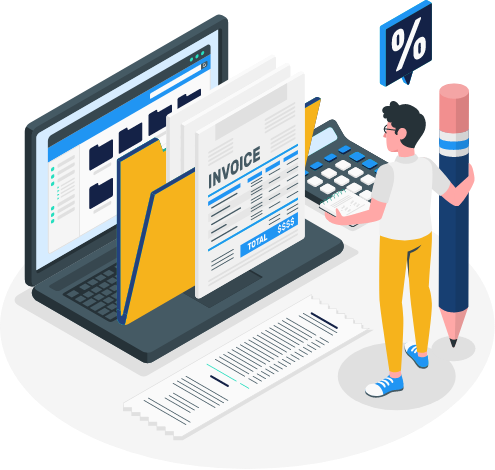
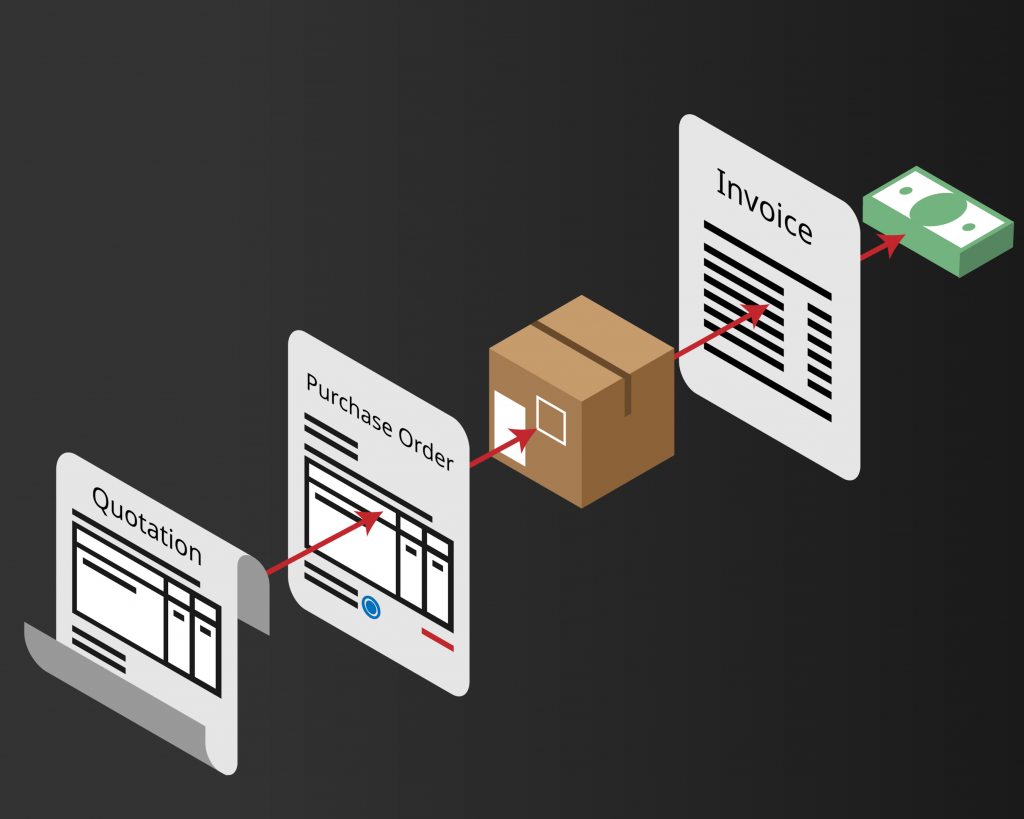
Invoice factoring, or accounts receivable (AR) financing, is a process where companies sell their outstanding invoices to a third-party factoring company at lower fees.
It is a form of short-term debt financing that helps companies quickly access working capital in order to pay for important business-related expenses.
There are two types of invoice factoring: recourse and non-recourse. Recourse factoring is the most commonly used, but there are advantages to using non-recourse factoring.
What Is Non-Recourse Factoring and Why It Could Be Beneficial for Your Business
Non-recourse factoring is a type of invoice factoring where the lender (factor) has no recourse if the customer (debtor) fails to pay.
This means that the factoring company is ultimately responsible for payment collection and bears the credit risk associated with unpaid invoices.
Non-recourse factoring is especially beneficial in industries where customers may have a long payment cycle, such as the transportation and logistics industry.
Non-recourse freight factoring is becoming increasingly popular, as it can provide businesses with increased cash flow, immediate access to working capital, and protection from bad debt.
Non-Recourse vs Recourse Factoring
To gain a better understanding, a recourse factoring agreement mainly differs from a non-recourse factoring agreement in terms of risk.
In a recourse factoring agreement, the company selling its invoices is still liable if the customer does not pay and will be required to buy back the unpaid invoices.
In non-recourse factoring, however, the company selling its invoices is not liable if the customer does not pay, and the factoring company takes on the risk for any unpaid invoices.
How Non-Recourse Factoring Differs from Traditional Invoice Financing
Traditional invoice financing is typically a recourse financing agreement, meaning that the factoring company can seek repayment from the business if the customer fails to pay.
With non-recourse factoring, the lender (factor) takes on all the risk associated with bad debt and provides additional flexibility in terms of payment terms.
The Advantages of Using Non-Recourse Factoring to Finance Receivables
Non-recourse factoring can be a good option for businesses looking to access working capital quickly without having to take on a large debt load.
With non-recourse factoring agreements, you take advantage of the following benefits:
- Non-Recourse: The factoring company assumes the credit risk associated with non-payment and does not seek repayment from the business. This means that the company selling its invoices can continue to operate without worrying about potential bad debt.
- No Invoices: Factoring eliminates the need for invoice processing, as all invoices are handled by the factoring company. This saves time and resources, as invoices do not need to be generated or tracked.
- Competitive Rates: Non-recourse factoring typically offers more competitive rates when compared to traditional invoice financing. This means that companies can access working capital at a lower cost.
- Same-Day Funding: Non-recourse factoring companies typically offer same-day funding, meaning businesses can access cash quickly to pay for important expenses.
Tips on How to Choose the Right Invoice Factoring Company
Choosing the right invoice factoring company could mean the difference between success and failure for a business. Here are a few tips on how to select the right non-recourse factoring company:
- Compare factoring contracts: Different factoring companies offer different rates and terms. Check whether the company charges additional fees, such as document processing or collection fees.
- Check creditworthiness: Be sure to inquire about the creditworthiness of the factoring company. Consider their financial strength and experience in dealing with businesses of similar sizes and industries.
- Review customer service: Good customer service is essential for any business relationship. Check the factor’s customer service policies and whether they offer comprehensive support to their clients.
Non-Recourse Factoring Solutions for Businesses of All Sizes
Whether you are a small business or a large enterprise, non-recourse factoring could be the answer to boosting your cash flow and overall profitability. With the right non-recourse factoring company, you can access quick and efficient financing to meet your short-term financing needs.
At DOT Compliance Group, we offer non-recourse freight factoring solutions for trucking businesses of all sizes. Our team of experts provides personalized service and advice to help you get the best terms and rates for your non-recourse freight factoring agreement.
Contact us today to learn more about how invoice factoring can help your business!





0 Comments